
In the past few years, many companies have bet on Inbound Marketing to make their projects grow in the digital sphere. And the statistics reflect it: according to the 2021 CMO Survey, B2B marketing experts in the US plan to invest 14% more in Inbound Marketing while the investment in Outbound Marketing is expected to fall by 6%.
Inbound vs Outbound Marketing? In reality, they have different focuses that share a common goal: catching the attention of the public and, therefore, ensuring they choose our products or services. So, what strategy should we follow? It depends. We have to know what inbound and outbound mean and the characteristics of each model. That will help us make better decisions.
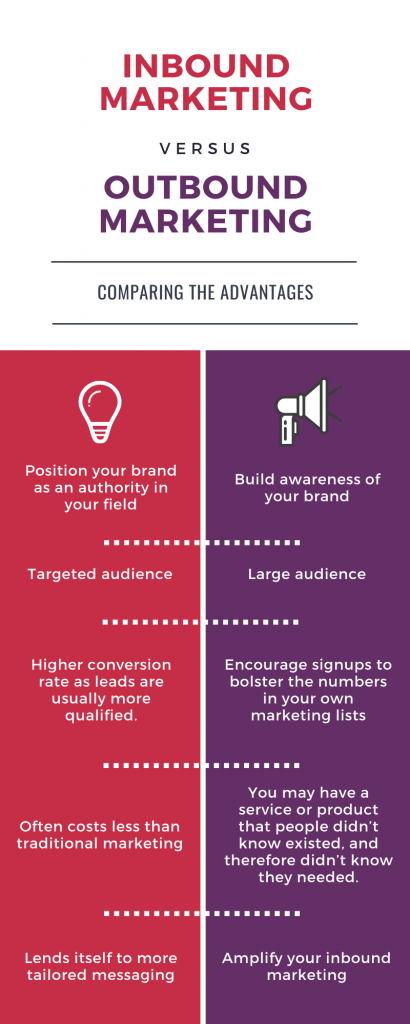
It’s a traditional method that has always worked for companies. A definition of Outbound Marketing is a methodology centered on the product that tries to capture the clients’ attention by sending a predetermined message to the audience.
Some examples of Outbound Marketing are ads on TV, at a fair, on the radio, in a newspaper, magazines, or catalogs, phone calls, and the “cold call”, among others.
These are some of the characteristics within an Outbound Marketing strategy:
An approach much more digital and in tune to the world we live in has emerged in the face of Outbound Marketing. Inbound Marketing is a methodology centered more on the client than the product and focuses the center of its strategy on getting to know the audience and directing and adapting itself to the client and their needs above all else.
Here are the goals of Inbound Marketing and its characteristics:
Now that we’ve cleared up what inbound and outbound marketing are, do you think they’re compatible? In reality, it’s possible to integrate them and create a digital marketing plan with the best of each of the models.
The Outbound strategy doesn’t have the popularity it had before because many marketing experts consider it outdated and have quickly embraced Inbound strategies. But the traditional methods still work for many companies and report benefits, in addition to being recognizable to a wider audience, who are used to these methods. We can find a balance and take advantage of the best of both Outbound and Inbound to create successful campaigns.
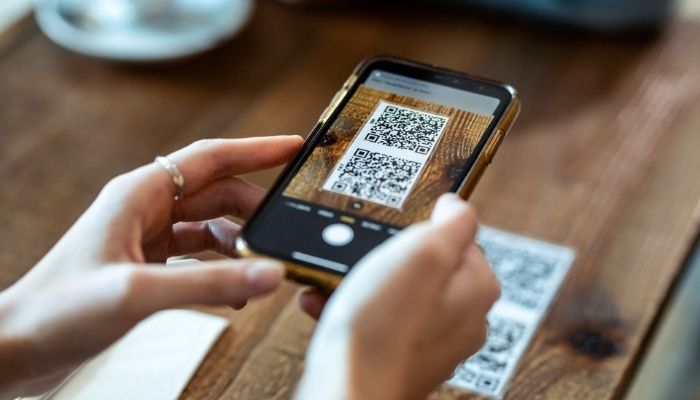
How? The best way to see it is through examples. Measuring is one of the principle problems of Outbound: we don’t have a way to evaluate the impact of our actions. We can use technology to remedy it: imagine that at a fair, you have posters and stands with a QR code that offers a promotion. Thanks to the UTM that you previously incorporated into the QR code, you can measure how many people have scanned it and benefited from the promotion and therefore calculate the impact of the poster and collect information for your databases that you can use later.
Calls offering products and services are an Outbound Marketing classic. To avoid “cold calling”, calling people without any previous knowledge about their interests and interrupting their day to try to sell them something, you can use Inbound Marketing campaigns to collect information and create contact databases full of people we know are interested in the service. Then, when it comes time to call the number, we know that they are at least interested in cooking if we want them to buy pans (as an example) and then we can offer a better argument to convince them.
To sum it up, Inbound Marketing is the present and future of marketing. The proactive attitude of consumers when it comes time to solve their problems together with the digitalization of our way of life makes the outdated techniques of “tackle” and “interrupt” take a backseat to “attract” and “seduce”.
However, inbound and outbound marketing strategies can complement each other or even be combined. But, if you stay with the traditional, your ROI will reflect that. We encourage you to dive deeper into the Inbound phenomenon and learn how to capture leads and calculate the ROI with this strategy. Get ready to take off!