

Not having a digital marketing plan is akin to building your house from the roof down in the world of marketing. A good strategy, implemented from the start, serves as the foundation for all aspects of your efforts, from content strategy and marketing automation through to social media and SEO.
It is imperative to get your digital marketing right as it has a real impact on your business. Did you know, for instance, that companies with a blog generate 67% more leads than those without a blog, for example?
To stand out among the 5,000 ads that the average person, your target audience, sees every day, you must execute every aspect of your online marketing strategy plan effectively
Digital communication channels have become increasingly important for the success of your business. According to Data Reportal, in October 2024, 67.5% of the world’s population were using the internet, the equivalent of 5.52 billion people. And the trend, according to HubSpot’s State of Consumers Trends 2024 report, is for mobile: 65% of digital sales are made on mobile devices. Not tapping into this market and not having mobile responsive content is simply not an option.
So how do you go about creating a marketing plan for digital marketing? With defining the Buyer Persona, SMART goals, a digital content marketing strategy, a value proposition and more, there’s a lot to think about.
But first things first – what is a digital marketing plan? Simply put, it is a document that defines the campaigns you want to run and crucial information about them, namely:
According to Philip Kotler, considered one of the fathers of modern marketing, a traditional marketing plan serves: “to document how the organization’s strategic objectives will be achieved through specific marketing strategies and tactics, with the customer as the starting point. It is also linked to the plans of other departments within the organization.” You will want to keep this statement front of mind to stay focused.
With this in mind, does your company need a digital marketing strategy? In the majority of cases, the answer is a resounding yes. An online marketing strategy enables you to:
Before starting to work on your digital marketing plan, you first need to lay down the groundwork by understanding your company’s online presence, your target audience, the channels where you want to be present, your competitors and what they do.
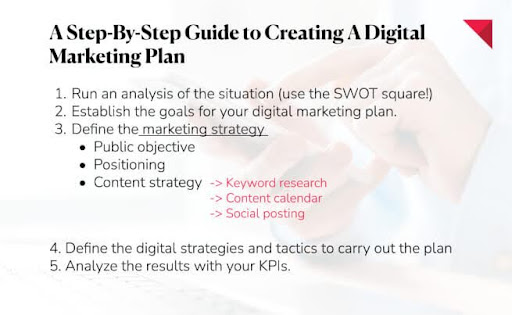
We will now describe the step-by-step process for structuring your digital marketing plan.
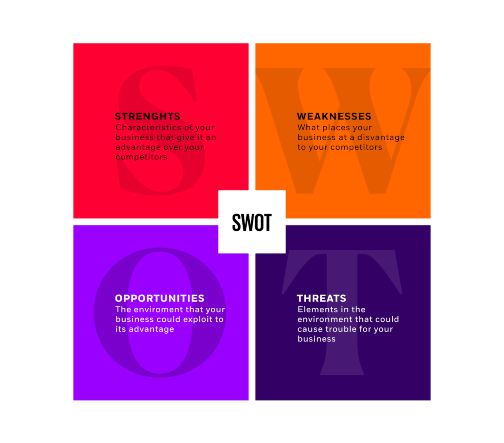
The first step in planning your online marketing strategy is to carry out an internal and external analysis (SWOT analysis) of the company. This useful framework helps you identify the strengths, weaknesses, opportunities, and threats for your company and the market.
You need to be familiar with the ecosystem in which you are operating: what your customer’s needs are and where they are addressed. This analysis is both qualitative and quantitative as it looks at factors such as digital habits, intermediaries, influencers, and more.
Implementing benchmarking techniques is another common practice. This enables you to identify best practices, success stories and find examples for your digital marketing plan
You also need to conduct an internal examination to understand your company’s current digital situation:

Once you have an understanding of your strengths and place in the market, it’s time to start setting goals. Your goals are your destination and will drive every action you take.
During this phase, it is important to use the SMART goals framework: make your goals Specific, Measurable, Attainable, Relevant, and Timely to be successful.
Here’s an example of SMART vs. non-SMART goals:
Once you’ve set your business goals, it’s time to think about how you are going to meet them. Personalization is increasingly important in digital marketing so you are advised to keep these factors in mind when defining your online marketing strategy:
You will want to think about using the following tools when creating your content strategy:
Depending on what your goals are (attraction, conversion, loyalty, etc.), you can now start to execute your strategies, whether they be email marketing campaigns, social media, CRM, web optimization, SEO strategies, paid media advertising, etc.
There are numerous formats you can use for acquisition, including webinars, ebook downloads, infographics, and detailed reports. You can also drive engagement through discounts, promotions, and special offers.
With the growing number of channels to manage and the increasing volume of customer data, it’s essential to leverage Marketing Automation tools to streamline and automate your marketing campaigns.
These tactics enable you to design automated workflows that can launch hundreds of campaigns with just a few clicks. You’ll be able to personalize messages based on your Buyer Personas, boosting your success rates. Plus, you can convert leads into customers by tailoring your approach based on their interactions with your brand.
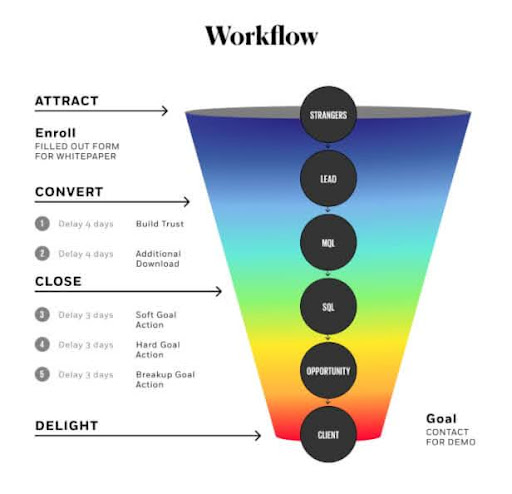
Technology has become a key enabler of digital strategies, making it essential to master how to leverage it to its full potential.
Your work doesn’t end once your digital marketing strategy is designed and launched. The next crucial step is analyzing the results. Analytics play a vital role in optimizing both performance and budget efficiency.
You need to measure every action using KPIs to determine if you’ve achieved the expected ROI. By evaluating the effectiveness of your digital marketing strategy and activities, you can identify what’s not working and make adjustments to meet your goals.
Having tools that allow us to carry out this analysis is crucial. Salesforce, for example, enables you to measure all ongoing actions and see how the user reacts and behaves at each step of the journey.
In addition to extracting valuable insights, you can also leverage the AI that Salesforce provides to enhance the user experience and deliver the right content to each lead at the optimal time.
It is important that you have an effective, real-time data visualization system in place. The digital landscape evolves quickly, so you must stay alert to spot opportunities and areas for improvement at a moment’s notice. Data is invaluable: without it, you’re operating in the dark and making decisions without a clear foundation.
We emphasize the importance of using tools that collect, process, and extract value from data. Mulesoft, an integration software, connects systems to maximize data exchange and utilization. When paired with the Salesforce ecosystem, it can be extremely beneficial for you.
Keep these steps in mind when crafting your digital marketing plan and avoid leaving anything to chance. In the digital space, uncertainty is your biggest enemy if you want to establish a strong presence and stand out.
Similarly, remember that technology can become your strongest ally in creating personalized, automated, and ultimately successful marketing campaigns. As tasks become more complex, the right tools can help streamline your work and enhance your performance.
Developing a strong digital marketing plan is crucial for any business aiming to succeed in today’s competitive market. At We Are Marketing, we understand the complexities involved and are here to support you at every stage. Our all-encompassing services include SEO, analytics, rankings, strategies, social media, and performance metrics. Focused on innovation, our team delivers customized solutions that address both current challenges and future opportunities. Partner with us, a trusted digital marketing agency, to unlock your marketing strategy’s full potential and drive your business forward in the fast-evolving digital world.